


Why Does My Back Hurt When I Haven’t Done Anything?


“I don’t know what I’ve done to it.”
It’s something I hear quite often in the treatment room.
Your back has started aching. Maybe it feels tight when you get up from a chair. Perhaps there’s an uncomfortable niggle around your lower back, or you feel stiff when you first get out of bed.
But you can’t think of anything you’ve actually done to cause it.
No heavy lifting.No new exercise class.No dramatic injury.
So why is your back hurting?
The answer might be that there wasn’t one single moment that caused it.
Sometimes it can be the little things we do every day that gradually add up.
You might be sitting for longer than you realise
Sitting itself isn't necessarily the problem.
Our bodies are designed to move, and staying in any one position for a long time can leave us feeling stiff and uncomfortable.
Think about an average day.
You might sit down for breakfast, drive to work, spend several hours at a desk, drive home, eat dinner and then settle onto the sofa for the evening.
Even if you're relatively active, that's still a lot of time spent in similar positions.
If your back regularly feels stiff after sitting, try changing position more frequently. Get up. Have a little walk around. Stretch your legs. Make a drink.
It doesn't need to be a full workout.
Sometimes your body just wants a change of position.
Those little everyday habits can add up
Then there are all the things we do without really thinking about them.
Do you always carry your handbag on the same shoulder?
Stand with most of your weight through one leg?
Curl up on the same side of the sofa?
Spend an hour scrolling through your phone in bed?
Carry your shopping in one hand?
Walk the dog while they pull you in the same direction?
None of these things automatically cause back pain.
But when we repeatedly move or position ourselves in the same way, particularly alongside other demands on our body, we may start to notice areas feeling tired, tight or uncomfortable.
Rather than worrying about finding the perfect posture, think about variety.
Your next position is often your best position.
Stress doesn't only happen in your head
Have you ever noticed what happens to your body when you're stressed?
Your shoulders might creep towards your ears.
You might clench your jaw.
Your breathing may become shallower.
And you may find yourself bracing or holding tension through your body without even realising you're doing it.
If that continues day after day, it's perhaps not surprising that your back can start to feel uncomfortable too.
This is one of the reasons I don't just think about the individual muscle that feels tight when someone comes for a treatment.
Sometimes the body simply needs an opportunity to stop, slow down and relax.
How well are you sleeping?
Sleep is when our bodies get an important opportunity to recover.
A couple of poor nights can leave everything feeling harder.
And when you're tired, those little aches and niggles can sometimes feel much more noticeable.
You might also find yourself moving less because you're tired, spending more time on the sofa or reaching for convenience rather than getting outside for a walk.
Before blaming your mattress or pillow, it can be worth looking at the bigger picture.
How well are you actually sleeping?
And how much opportunity are you giving your body to recover?
Then there's the weekend…
Monday to Friday might involve lots of sitting.
Then Saturday arrives.
Suddenly you're gardening for three hours.
Cleaning the entire house.
Decorating.
Moving furniture.
Going on a long walk.
Or tackling all those DIY jobs you've been putting off.
Then Sunday morning arrives and…
“What have I done to my back?!”
Sometimes you've simply asked your body to do considerably more than it's become accustomed to.
That doesn't mean you should stop doing the things you enjoy.
Gradually building activity, taking breaks and regularly moving throughout the week can help prepare your body for those busier days.
So what can you do when your back hurts?
One of the most important things is not to become frightened of movement.
For many everyday aches and stiffness, gentle movement can feel much better than spending the whole day trying not to move.
Try:
Going for a gentle walk.
Changing position regularly.
Taking short movement breaks if you work at a desk.
Gently moving your back, hips and shoulders.
Gradually building strength and activity.
Prioritising sleep and recovery.
Finding ways to reduce or manage stress.
You don't have to completely overhaul your life.
Start by noticing what your body has been doing recently.
Sometimes the clue is there.
Where can massage fit in?
This is where treatment can be useful.
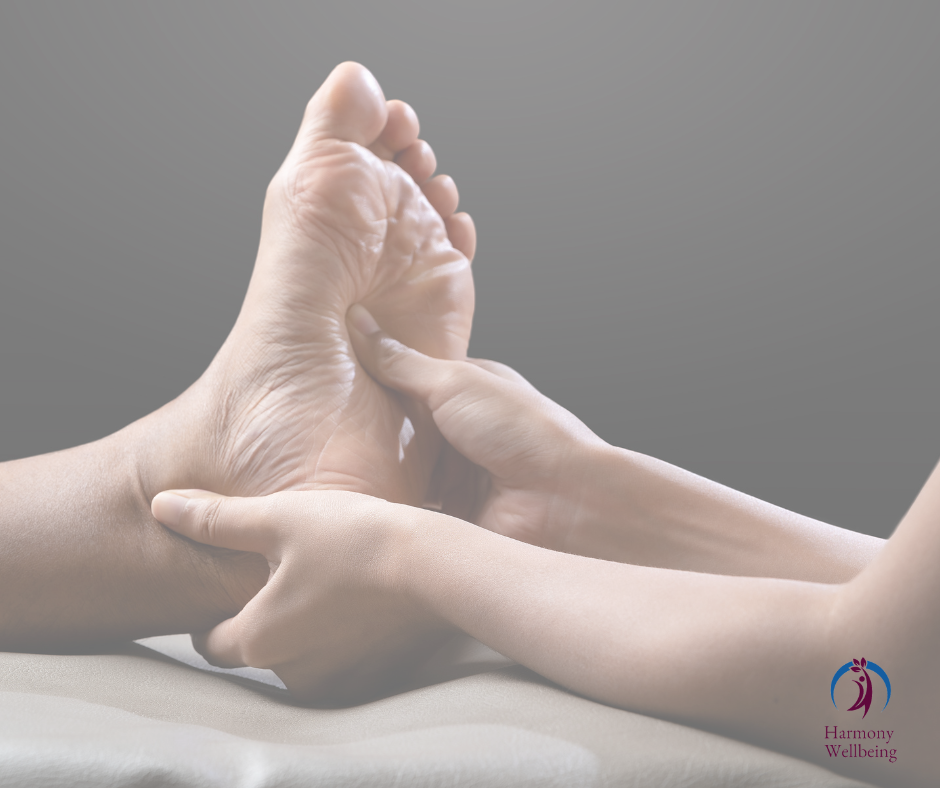
When you come to Harmony Wellbeing with an aching or tight back, treatment isn't simply about finding the sorest spot and pressing on it as hard as possible.
And sports massage doesn't have to be painful to be effective.
I work within your comfort levels and adapt your treatment depending on what you're experiencing and what you want to get from your appointment.
That might include massage techniques to help ease muscular tension, gentle movement and stretching, or simply giving your body the chance to properly relax.
We can also talk about what you've been noticing day-to-day and simple things you may be able to incorporate at home.
Sometimes that awareness is just as useful as the treatment itself.
And sometimes massage isn't the answer
Back pain is very common, but it's important not to assume that every pain is muscular.
If your pain is severe, started following significant trauma, is getting progressively worse, or is accompanied by symptoms such as significant weakness or numbness, changes to bladder or bowel control, numbness around the saddle/groin area, fever or feeling generally unwell, seek appropriate medical advice.
And if you're simply unsure whether massage is appropriate, you're always welcome to get in touch before booking.
Your back might not be asking you to stop
If your back has started aching and you can't work out what you've “done”, try looking beyond the last day or two.
Think about the past few weeks.
How much have you been sitting?
How have you been sleeping?
Have you been stressed?
Have you suddenly increased your activity?
Have you been moving regularly?
Because sometimes there isn't one big thing to blame.
It's simply lots of little things adding up.
And your back might not be asking you to stop moving.
It might just be asking you to move a little differently.
If your back has been feeling tight, stiff or uncomfortable and you'd like to see whether massage could help you feel more comfortable, you can get in touch with me or book your treatment online at Harmony Wellbeing.


Comments