


Anxiety Relief Reflexology Methods: Relieving Anxiety Through Reflexology

Anxiety can feel like a constant companion, whispering worries and doubts when you least want them. If you’re searching for a gentle, natural way to ease those feelings, reflexology might just be the calming balm you need. I’ve found that this ancient therapy offers more than just relaxation - it can be a powerful tool to help manage anxiety. Let’s explore how reflexology works, especially for anxiety relief, and how you can incorporate it into your wellness routine.
Understanding Anxiety Relief Reflexology Methods
Reflexology is a type of therapy that involves applying pressure to specific points on the feet, hands, or ears. These points correspond to different organs and systems in the body. The idea is that by stimulating these reflex points, you can promote balance and healing throughout your entire body.
When it comes to anxiety, reflexology aims to calm the nervous system, reduce stress hormones, and encourage a sense of peace. It’s not just about feeling good in the moment - regular sessions can help your body better manage stress over time.
Here’s why I think reflexology is a fantastic option for anxiety relief:
Non-invasive and gentle: No needles or medications, just soothing touch.
Personalised approach: Reflexologists tailor the treatment to your specific needs.
Holistic benefits: It supports overall wellbeing, not just anxiety symptoms.
Accessible: You can learn simple techniques to use at home between sessions.
If you’re curious about trying reflexology, it’s worth seeking out a qualified practitioner who understands anxiety and can guide you through the process.

Where is the Pressure Point to Relieve Anxiety?
One of the most common questions I get asked is: Where exactly do I press to relieve anxiety? The answer is that there are several key reflex points linked to calming the mind and nervous system. Here are a few to focus on:
The Solar Plexus Point
Located in the centre of the foot, just below the ball of the foot, this point is often called the “sun” of the body. Applying gentle pressure here can help reduce stress and promote relaxation.
The Pituitary Gland Point
Found in the centre of the big toe, this point is linked to hormone regulation and can help balance mood swings and anxiety.
The Head and Brain Reflex Points
These are located on the tips of the toes. Massaging these areas can soothe mental tension and encourage clarity.
The Heart Reflex Point
Situated on the left foot, just below the ball of the foot, this point is associated with emotional balance and calming the nervous system.
When you’re trying these points at home, use your thumb to apply firm but gentle pressure. Hold each point for about 30 seconds to a minute, breathing deeply as you do so. You might feel a slight tenderness, which is normal, but it should never be painful.
If you’re visiting a reflexologist, they’ll know exactly how to target these points and combine them with other techniques to maximise your anxiety relief.
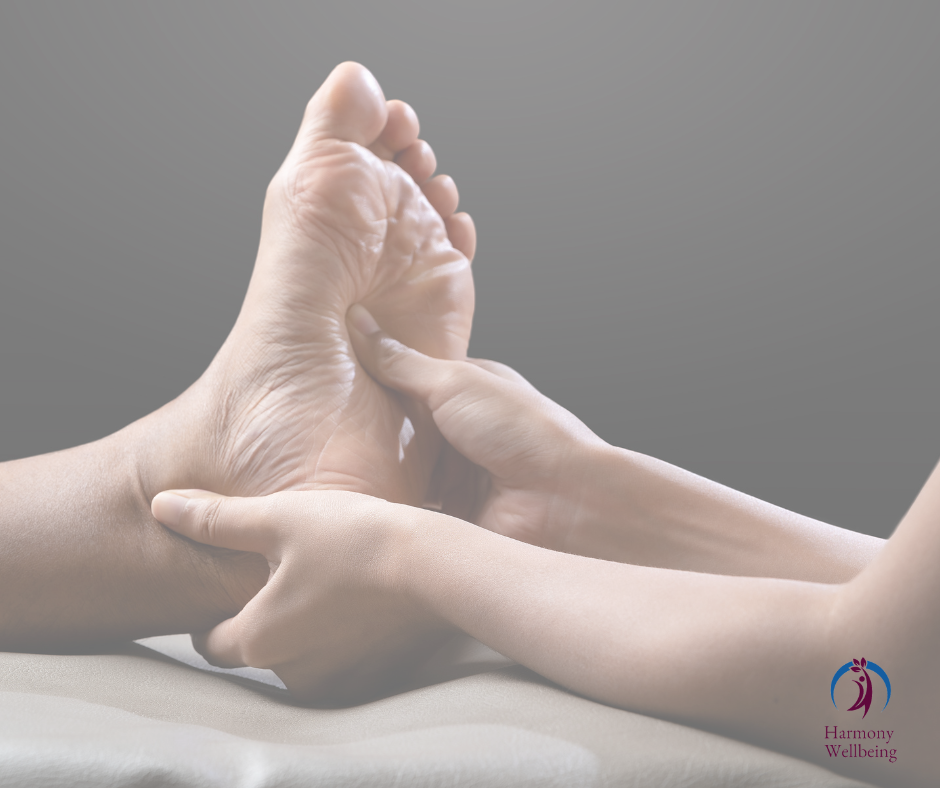
How Reflexology Helps Your Body and Mind
Reflexology isn’t just about pressing spots on your feet or hands. It’s a holistic therapy that encourages your entire body to relax and heal. Here’s what happens when you receive a reflexology session aimed at anxiety relief:
Nervous system calming: Reflexology stimulates the parasympathetic nervous system, which slows your heart rate and lowers blood pressure. This helps counteract the “fight or flight” response that anxiety triggers.
Release of endorphins: These natural feel-good chemicals help lift your mood and reduce pain or discomfort.
Improved circulation: Better blood flow means your body can deliver oxygen and nutrients more efficiently, supporting overall health.
Detoxification: Reflexology can encourage lymphatic drainage, helping your body clear out toxins that might contribute to feeling sluggish or stressed.
Better sleep: Many people report improved sleep quality after reflexology, which is crucial for managing anxiety.
Personally, I find that reflexology sessions leave me feeling grounded and refreshed. It’s like hitting the reset button on my nervous system. And the best part? You don’t need to wait for a crisis to book a session. Regular treatments can build resilience and help you stay calm even when life gets hectic.
Simple Reflexology Techniques You Can Try at Home
While professional reflexology is ideal, there are some easy techniques you can try yourself whenever anxiety creeps in. Here’s a quick guide to get you started:
1. Thumb Walking on the Feet
Sit comfortably and place one foot on your opposite knee.
Use your thumb to “walk” along the sole of your foot, pressing gently but firmly.
Focus on the areas mentioned earlier: the solar plexus, big toe, and heart reflex points.
Spend about 5 minutes on each foot.
2. Toe Squeezes
Gently squeeze and release each toe, starting from the big toe to the little one.
This helps release tension and stimulates the brain reflex points.
3. Circular Massage on the Arch
Use your thumb to make small circles on the arch of your foot.
This area corresponds to the digestive system, which can be affected by anxiety.
4. Hand Reflexology
Don’t forget your hands! Use your thumb to press the webbing between your thumb and index finger.
This point is known as the “LI4” or “Hegu” point in acupressure and can help reduce stress.
Remember to breathe deeply and focus on the sensation. If you feel any discomfort, ease up on the pressure. These simple techniques can be a lovely way to ground yourself during a stressful day.
Making Reflexology Part of Your Wellbeing Routine
If you’re serious about managing anxiety, reflexology can be a wonderful addition to your self-care toolkit. Here are some tips to make the most of it:
Book regular sessions: Consistency is key. Aim for weekly or bi-weekly treatments to build long-term benefits.
Combine with other therapies: Reflexology works well alongside massage, mindfulness, and gentle exercise.
Create a calming environment: Whether at home or in a clinic, a peaceful setting enhances the experience.
Communicate with your therapist: Let them know your anxiety triggers and any other health concerns.
Stay hydrated: Drinking water after a session helps flush out toxins.
Practice self-reflexology: Use the techniques above whenever you need a quick reset.
At Harmony Wellbeing in Wrexham, the focus is on personalised care. We understand that everyone’s anxiety is unique, so treatments are tailored to your individual needs. It’s not just about relieving symptoms but nurturing your whole self.
If you’re ready to explore reflexology as a gentle, effective way to ease anxiety, why not give it a try? You might just find it’s the calming companion you’ve been searching for.
Wishing you calm and comfort on your journey to wellbeing!
Karen x

Comments